Work Less, Achieve More: The Science of Measuring Your Rest-to-Results Ratio

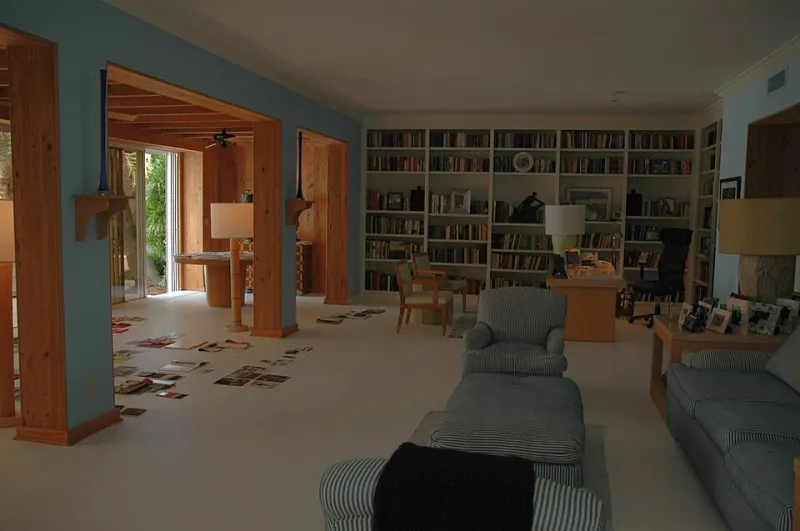
Photo: Nenad Stojkovic, CC BY 2.0, via Wikimedia Commons
Let's be honest: most of us feel a little guilty when we're not doing something. Scrolling social media doesn't count as rest. Neither does eating lunch while answering emails or half-watching TV while mentally rehearsing tomorrow's to-do list. Real, genuine, unapologetic relaxation? That feels almost rebellious in a culture that treats busyness like a badge of honor.
But here's the thing — that guilt might be costing you more than you realize. Not just in terms of burnout and stress, but in actual, measurable output. The research is piling up, and it's pointing in one very clear direction: doing less, strategically, helps you accomplish more.
What's Actually Happening in Your Brain When You Rest
Neuroscientists have spent the last two decades studying what the brain does when it's not focused on a task. What they found surprised everyone, including them. When you stop actively working, your brain doesn't go quiet — it switches into what researchers call the default mode network (DMN). Think of it as your brain's background processing system.
The DMN is where the magic happens. It's responsible for connecting unrelated ideas, replaying experiences to extract meaning, and generating those "aha" moments that seem to come out of nowhere (usually in the shower, on a walk, or right before you fall asleep). You can't force this process. In fact, forcing it shuts it down entirely.
A study from the University of California, Santa Barbara found that participants who were given an undemanding, mind-wandering task after studying a complex problem performed significantly better on follow-up creative challenges than those who kept grinding through. The brain needed idle time to make the connections that conscious effort couldn't.
This is the relaxation paradox in a nutshell: the harder you push, the less access you have to your own best thinking.
Why Hustle Culture Gets Rest Completely Wrong
Modern productivity culture has tried to co-opt rest and turn it into another optimization tool. "Sleep hacking." "Recovery protocols." "Mindfulness for peak performance." These aren't inherently bad ideas, but when relaxation becomes another item on the achievement checklist, it stops working the way it's supposed to.
Genuine rest has to be purposeless to be restorative. That means spending time in a hammock just because it feels good. Taking a long bath without a podcast playing. Sitting on your porch with a cup of coffee and letting your mind wander wherever it wants to go.
At Relxx Shop, we think about this a lot. The whole point of unwinding isn't to become a more efficient machine — it's to feel like a human being again. The productivity benefits are real, but they're a byproduct, not the goal. And ironically, that distinction matters enormously for whether the rest actually works.
The Practical Side: How to Track Your Rest-to-Results Ratio
Okay, so rest is good for productivity. But how do you know it's working? How do you justify an afternoon off or a slow Sunday morning when there's always more to do? The answer is to start measuring — not obsessively, but intentionally.
Here are a few practical metrics worth tracking:
1. Creative Output Quality
After a rest period — whether that's a weekend off, a vacation, or even a daily 20-minute walk — pay attention to the quality of your ideas in the following 24 to 48 hours. Are you solving problems faster? Coming up with approaches you hadn't considered before? Keep a simple notes app log and rate the quality of your thinking on a 1-to-5 scale. Over a few weeks, patterns will emerge.
2. Task Completion Rate
Counter-intuitively, people who take regular breaks often complete more tasks per day than those who work straight through. Use any basic time-tracking app (Toggl is free and easy) to log focused work sessions. Compare your completion rates on days with intentional rest breaks versus days you power through. The data usually speaks for itself.
3. Decision Fatigue Markers
Decision fatigue is real — by late afternoon, most people are making noticeably worse choices than they were in the morning. Notice when your decision-making feels sluggish or when you're defaulting to the easiest option rather than the best one. Rest breaks, especially ones that involve physical movement or a change of scenery, reset this clock. Track how many quality decisions you feel capable of making before and after incorporating deliberate downtime.
4. Sleep Quality as a Lagging Indicator
This one's underrated. When you're chronically under-rested during the day — mentally and emotionally — your sleep quality suffers even if you're logging enough hours. Apps like Sleep Cycle or even the native iPhone Health app can track sleep quality over time. Watch for correlations between days with genuine leisure and nights with deeper, more restorative sleep.
5. Weekly Energy Audit
Every Sunday evening, spend five minutes answering three questions: What drained me this week? What restored me? What do I wish I'd done more of? Over time, this simple audit reveals your personal rest-to-results sweet spot — the specific activities and rhythms that leave you feeling recharged and ready.
Building It Into Your Actual Life
Tracking is useful, but it doesn't mean much if you're not actually creating space for rest in the first place. A few approaches that tend to stick:
Treat leisure like a meeting. Block it on your calendar. If 3 PM on Tuesday is your "sit outside and do nothing" time, it becomes non-negotiable — just like a client call.
Invest in your environment. It's a lot easier to actually relax when you have a space that invites it. A comfortable chair in a quiet corner. A quality essential oil diffuser. A weighted blanket that makes your couch feel like a cloud. These aren't luxuries — they're infrastructure for your best thinking.
Lower the bar for what counts as rest. You don't need a vacation to get the benefits. A 15-minute walk without headphones. Ten minutes of stretching. Sitting in the backyard watching birds. Small, consistent doses of genuine downtime compound over time.
The Permission Slip You Didn't Know You Needed
If you've made it this far and you're still feeling a little skeptical — or a little guilty — about giving yourself permission to truly rest, consider this: the most consistently high-performing people across fields from athletics to science to business aren't the ones who work the longest hours. They're the ones who've figured out how to cycle between intense effort and genuine recovery.
The neuroscience backs it up. The tracking data backs it up. And honestly? Your gut probably already knows it.
So close the laptop a little earlier tonight. Let your mind wander. Measure what happens over the next few weeks. We're pretty confident you'll like what you find.