When Wellness Gets Weird: How Fancy Relaxation Spaces Are Stressing People Out

Photo: Shixart1985, CC BY 2.0, via Wikimedia Commons
There's a certain kind of exhaustion that only hits after you've spent $300 on a spa day. You're wrapped in a plush robe, sipping cucumber water, and somehow — somehow — your shoulders are still up around your ears. Your phone is technically silenced, but you keep glancing at it anyway. You're not sure if you're relaxing or performing relaxation for an audience that isn't even there.
Welcome to the wellness paradox.
The booming self-care industry has convinced a lot of us that real relaxation lives behind a velvet rope. That it requires a specific candle, a specific juice, a specific altitude. But here's the uncomfortable truth: for millions of Americans, premium wellness spaces aren't delivering calm — they're manufacturing a whole new flavor of stress.
The Problem With Making Relaxation Into a Status Symbol
Somewhere along the way, unwinding got rebranded as an achievement. Wellness culture — especially the high-end variety — started borrowing the language of luxury goods. "Elevated experiences." "Curated environments." "Transformative rituals." The implication is clear: if you're not doing it at the right place, with the right products, at the right price point, you're doing it wrong.
That kind of messaging carries weight. A 2023 survey from the Global Wellness Institute found that wellness is now a $5.6 trillion industry globally, with the U.S. accounting for a massive chunk of that spend. Luxury spas, high-end retreats, and boutique meditation studios have exploded across cities like New York, LA, Austin, and Nashville. And yet anxiety rates in the U.S. haven't budged in a meaningful way. In fact, they've climbed.
Could it be that some of the "solutions" are part of the problem?
Instagram Made It Worse
Let's talk about the elephant in the salt cave.
Premium wellness spaces have become content factories. The aesthetics are undeniably gorgeous — those misty infrared sauna pods, the minimalist Japanese soaking tubs, the zen garden courtyards with perfect afternoon light. They were practically designed to be photographed. And that's exactly the issue.
When a space is built to look relaxing rather than feel relaxing, the whole vibe shifts. People arrive with their camera apps open before their nervous systems have even started to downregulate. There's subtle social pressure to look serene, to document the experience, to post proof that you did, in fact, invest in yourself this weekend.
That's not relaxation. That's a photo shoot with a spa membership.
And the anxiety doesn't stop at the feed. There's also the pressure of ROI — the nagging feeling that if you spent $200 on a float therapy session, you'd better come out of that pod fundamentally transformed. When the experience feels merely "nice" rather than life-changing, people often blame themselves. Maybe they didn't breathe right. Maybe they weren't present enough. The premium price tag quietly turns rest into a test you might fail.
The Real Cost of Exclusive Wellness
Then there's the financial stress, which is very real and very underacknowledged in wellness conversations.
A single session at a high-end day spa in a major U.S. city can run anywhere from $150 to $500 or more. Wellness retreats — the kind that promise "deep healing" in the mountains or on a beach — routinely cost $3,000 to $10,000 for a long weekend. Even monthly memberships at boutique yoga or meditation studios can hit $200 a month.
For the average American household, that's not a budget line — that's a financial decision with real trade-offs. And spending money you can't fully afford on relaxation creates its own anxiety spiral that no amount of aromatherapy can fix.
Exclusionary pricing doesn't just stress out individuals. It quietly communicates that calm is a privilege, not a right. That's a damaging message to absorb, and it keeps a lot of people from seeking out any form of self-care at all.
Where Genuine Calm Is Actually Hiding
Here's the good news: real relaxation has never required a reservation.
Some of the most genuinely restorative spaces in America are hiding in plain sight, free or nearly free, and completely free of performance pressure.
Public parks and green spaces. Research consistently shows that spending time in natural environments reduces cortisol levels, lowers blood pressure, and improves mood — sometimes within minutes. A walk through a city park, an afternoon at a state forest, or even sitting near a fountain in a public plaza can deliver measurable calm. No booking required.
Public libraries. Criminally underrated as relaxation spaces. Libraries are quiet by design, climate-controlled, and free. Many now offer comfortable seating areas, digital resources for guided meditation, and a general atmosphere that encourages slowing down. There's no pressure to buy anything or look a certain way.
Community pools and recreation centers. Water has a well-documented calming effect on the nervous system. Many cities and counties operate public pools that cost a few dollars per visit, or offer low-cost memberships. The experience is unpretentious, social without being performative, and genuinely refreshing.
Your own front porch, backyard, or a quiet corner of your apartment. It sounds almost too simple, but intentional stillness at home — without a screen, without a task — is one of the most underused relaxation tools available. A comfortable chair, a few minutes of quiet, and permission to just exist can reset your nervous system in ways no $400 treatment can guarantee.
What "Accessible Relaxation" Actually Means
At Relxx Shop, we think about this a lot. The whole idea behind what we do is that unwinding should be a daily practice, not a quarterly splurge. Real wellness gear — the stuff that actually helps you decompress — doesn't need to cost a fortune or come with a complicated ritual attached.
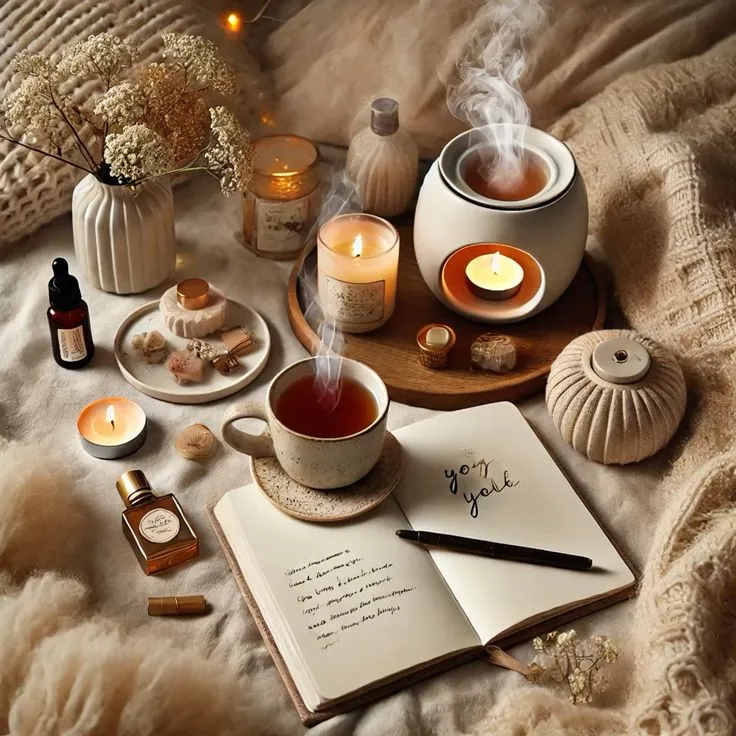
A quality eye mask that blocks out light. A simple white noise machine. A good-smelling candle you burn while you read. A cozy blanket that makes your couch feel like a sanctuary. These are the unglamorous building blocks of a genuine rest practice, and they work precisely because there's no pressure attached to them.
Accessible relaxation isn't about lowering your standards. It's about removing the friction — financial, social, and psychological — that keeps people from actually resting.
Letting Go of the "Right Way" to Relax
The wellness industry isn't going anywhere, and plenty of people genuinely love a good spa day or a yoga retreat. None of that is inherently bad. The problem is when the marketing convinces us that those premium experiences are the only valid ones.
Your nervous system doesn't know the difference between a $400 float tank and a warm bath at home with the lights dimmed. What it knows is whether you're actually present, actually breathing, actually giving yourself permission to stop.
That permission? It's always been free.
So the next time you feel the pull toward a high-end wellness experience, ask yourself honestly: are you drawn to it because it genuinely sounds restorative, or because it looks like something you're supposed to want? There's no wrong answer — but the question is worth sitting with.
Sometimes the most radical thing you can do for your well-being is just... stop trying so hard to achieve it.