Seasonal Self-Care: How to Build a Year-Round Relaxation Ritual That Actually Fits Your Life
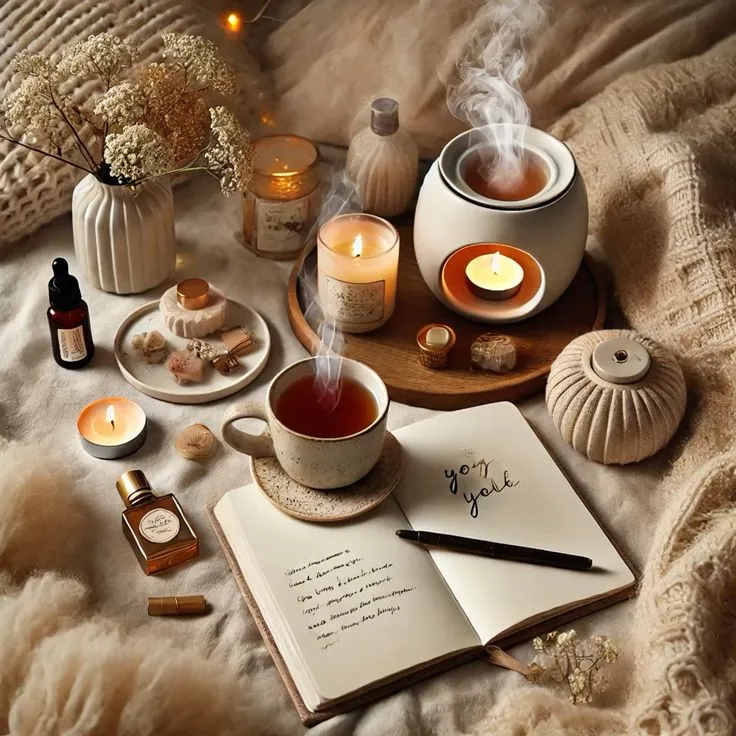
Photo: cozy seasonal self-care ritual with candles blanket and tea across four seasons, via i.pinimg.com
Here's something most wellness guides don't tell you: a relaxation routine that feels amazing in February might feel completely wrong by the time August rolls around. The cozy weighted blanket and hot tea ritual that saved your sanity during a January cold snap? Yeah, that's not going to cut it when it's 94 degrees in Georgia and you're trying to decompress after a long workday.
Our bodies, moods, and stress levels shift with the seasons — and our self-care practices should shift right along with them. Building a personalized relaxation ritual isn't about finding one perfect routine and sticking with it forever. It's about creating a living, breathing wellness practice that evolves as the world around you does.
Let's walk through it, season by season.
Why Seasons Actually Affect Your Stress Levels
Before we get into the good stuff, it's worth understanding why seasonal changes matter for your mental and physical wellness in the first place.
Light exposure plays a massive role. In winter, shorter days reduce serotonin production and can trigger Seasonal Affective Disorder (SAD), which affects an estimated 10 million Americans. In summer, longer days and heat can disrupt sleep patterns and ramp up irritability. Spring brings its own kind of restlessness — that familiar urge to overhaul everything at once — while autumn can stir up a quiet, creeping anxiety as the year winds down and the holidays loom.
Your cortisol patterns, sleep quality, appetite, and energy levels are all influenced by seasonal shifts in temperature, daylight, and social rhythms. A truly sustainable relaxation practice accounts for all of this.
Spring: The Season of Renewal (and Overwhelm)
Spring in America has a distinct energy — part optimism, part chaos. Everyone's cleaning, planning, socializing, and generally trying to do everything at once. It's energizing, but it can also be quietly exhausting.
The Spring Relaxation Focus: Gentle movement and sensory refresh.
Spring is the ideal time to shake off the heaviness of winter and reintroduce your body to the world. But gentle is the operative word here. Resist the urge to overhaul your entire routine overnight.
Try this:
- Morning walks without headphones. Let your senses take in the sounds and smells of the season — it's a surprisingly effective mindfulness practice.
- Open-window meditation. Fresh spring air carries a psychological lightness that's hard to replicate indoors.
- Swap out your heavy winter scents (think cedar, amber, vanilla) for something brighter. Citrus and green tea essential oils work beautifully in a diffuser during spring mornings.
- Start a five-minute journaling habit. Spring's natural sense of new beginnings makes it a great time to reset intentions and clear mental clutter.
Product vibe for spring: Light, breathable comfort. Think linen eye pillows, citrus-infused bath salts, and pastel-hued relaxation accessories that feel fresh and airy.
Summer: Leisure Mode — If You Let Yourself Get There
Summer should be the easiest season to relax in, and yet for so many Americans, it's anything but. Between family obligations, kids out of school, travel planning, and the pressure to make the most of every sunny day, summer often ends up feeling more stressful than restorative.
The Summer Relaxation Focus: Slow down the pace and embrace unstructured time.
The best thing you can do for your summer wellness is give yourself explicit permission to be unproductive. Not every weekend needs an itinerary. Not every evening needs a plan.
Try this:
- Create a "golden hour" ritual — that last hour before sunset where you step outside, sit somewhere comfortable, and just exist. No phone, no agenda.
- Cold water therapy. A cool foot soak or a cold shower at the end of a hot day does wonders for resetting your nervous system. Add a few drops of peppermint oil for extra relief.
- Hammock time. Seriously — if you have access to a hammock or even a reclining outdoor chair, make it part of your summer ritual. The gentle swaying motion has been shown to promote deeper relaxation and even improve sleep quality.
- Outdoor sound bathing. Sit near a fountain, a creek, or even just a backyard with birds. Natural soundscapes reduce cortisol in measurable ways.
Product vibe for summer: Portable and outdoor-friendly. Cooling towels, waterproof Bluetooth speakers for ambient music, lightweight hammocks, and refreshing body mists.
Autumn: The Grounding Season
There's a reason so many people say fall is their favorite time of year. There's something deeply comforting about the shift toward cooler air, cozy textures, and the quiet rhythm of longer evenings. But autumn also carries a subtle undercurrent of anxiety — the year is ending, the holidays are coming, and the darkness is creeping back in.
The Autumn Relaxation Focus: Grounding, warmth, and intentional slowdown.
Autumn is your invitation to get deliberate about comfort. This is the season to build rituals that anchor you — practices that feel like coming home.
Try this:
- Create a Sunday reset ritual. Spend 30 minutes each Sunday evening preparing your space and your mind for the week ahead. Light a candle, make a warm drink, and do a gentle review of what's coming up. It reduces Sunday night anxiety significantly.
- Introduce weighted comfort. Weighted blankets are having a cultural moment for good reason — the deep pressure stimulation they provide mimics a therapeutic technique called proprioceptive input, which genuinely calms the nervous system.
- Warm bath or shower rituals. Elevate your evening bath with Epsom salts, a few drops of cedarwood or clove essential oil, and a no-phone rule. This is your time.
- Slow cooking as meditation. There's something profoundly grounding about making a pot of soup or a slow-cooked stew. The smells, the textures, the patience it requires — it pulls you into the present moment in a way that's hard to replicate.
Product vibe for autumn: Cozy and tactile. Chunky knit throws, amber and woodsy candles, ceramic mugs, and warming herbal tea collections.
Winter: The Art of Restoration
Winter is the season your body was literally designed to slow down in — and yet modern American life rarely gives us permission to do that. We're expected to be just as productive in December as we are in June, even as our biology is quietly begging for rest.
The Winter Relaxation Focus: Deep rest, warmth, and inner quiet.
Winter is the time to lean all the way into restoration. This isn't laziness — it's alignment with your natural rhythms.
Try this:
- Go to bed earlier. Even 30 minutes earlier than usual can make a meaningful difference in how rested you feel. Use a sunrise alarm clock to make mornings gentler on dark winter days.
- Build a light ritual. Seasonal light therapy lamps can make a real difference for those who struggle with winter mood dips. Pair your morning lamp session with a warm drink and five minutes of quiet reading.
- Digital hibernation windows. Designate certain evening hours as screen-free. The blue light from devices suppresses melatonin and disrupts the deep sleep your body craves in winter.
- Slow, restorative yoga or stretching. Winter isn't the season for high-intensity workouts. Gentle, floor-based stretching with a warm room and soft music is far more aligned with what your nervous system needs.
Product vibe for winter: Soft, warm, and deeply comforting. Plush robes, lavender sleep masks, light therapy lamps, and herbal sleep teas.
Build Your Own Seasonal Ritual: A Simple Framework
Ready to put this into practice? Use this quick framework to design your own seasonal reset:
Step 1 — Assess your current stress: What are the biggest sources of stress in this season? Work deadlines? Social obligations? Weather-related mood shifts?
Step 2 — Identify your needs: Do you need more energy, more calm, more connection, or more solitude right now?
Step 3 — Choose your anchors: Pick two or three consistent practices that will anchor your ritual — a morning habit, an evening habit, and a weekly reset.
Step 4 — Set up your environment: What does your relaxation space need to feel right for this season? What scents, textures, temperatures, or sounds support your unwinding?
Step 5 — Revisit and adjust: Every season, spend 15 minutes reviewing what worked and what didn't. Your ritual should grow with you.
At Relxx Shop, we believe that rest isn't a reward you earn after getting everything done — it's a practice you build into the fabric of your life. Every season brings a fresh opportunity to reconnect with what your body and mind actually need. Start small, stay curious, and let yourself evolve.
Because unwinding every day isn't an indulgence. It's how you live well — always.